Egypt: Revive Traditional Pottery: Preserving a Cultural Legacy
Egyptian pottery boasts a long and distinguished history, dating back to prehistoric times. Its evolution reflects cultural changes and artistic expression across millennia. Traditional methods of making Egyptian pottery include unique techniques like hand-coiling, pinching, and wheel throwing produce unique forms and textures. Potters often utilize Nile silt and other locally sourced clays, imbuing their creations with a sense of place.
Threats to the Art:
Dying Craftsmanship: The number of skilled potters practicing traditional techniques is dwindling due to factors like lack of younger generation interest in carrying on the craft and loss of Knowledge: Traditional techniques and knowledge specific to different regions are at risk of disappearing with aging potters.
The Amazing Tourist project:
Establish training programs where experienced potters mentor younger generations, ensuring the transmission of traditional knowledge.
Workshops and Skill Development: Organize workshops that provide hands-on training in various pottery-making techniques, including clay preparation, forming, firing, and decoration.
Documentation and Archiving: Create a digital archive of traditional pottery techniques, designs, and the stories of potters, preserving this knowledge for future generations.
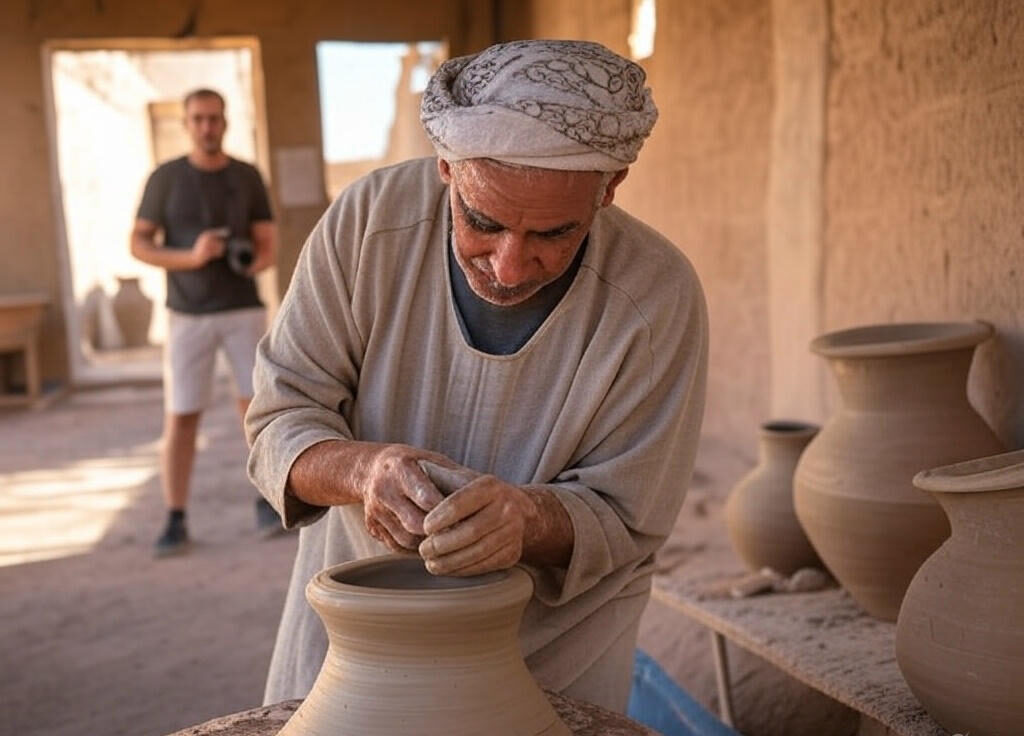
With skilled hands and generations of knowledge, local artisans guide participants in their hometown to pottery workshop through the ancient craft and explore their artistic potential to gain insight into a traditional Egyptian art form that continues to thrive in the modern city.
Uganda: Leveraging Tourism for Agricultural Transformation
Uganda’s agriculture sector is constrained by low productivity, employing 70% of the workforce but contributing only 24% to GDP. The sector suffers from various issues like low productivity, limited modernization, and vulnerability to climate shocks. Coffee and gold dominate exports, but the sector struggles with outdated practices and land degradation. Tourism, which already contributes 7.7% to GDP ($3.6 billion in 2019) and employs 667,600 people (2019, pre-COVID), if strategically developed, can significantly contribute to addressing Uganda’s dependence on low-productivity agriculture by diversifying the economy, creating jobs, generating revenue, and incentivizing environmental conservation.
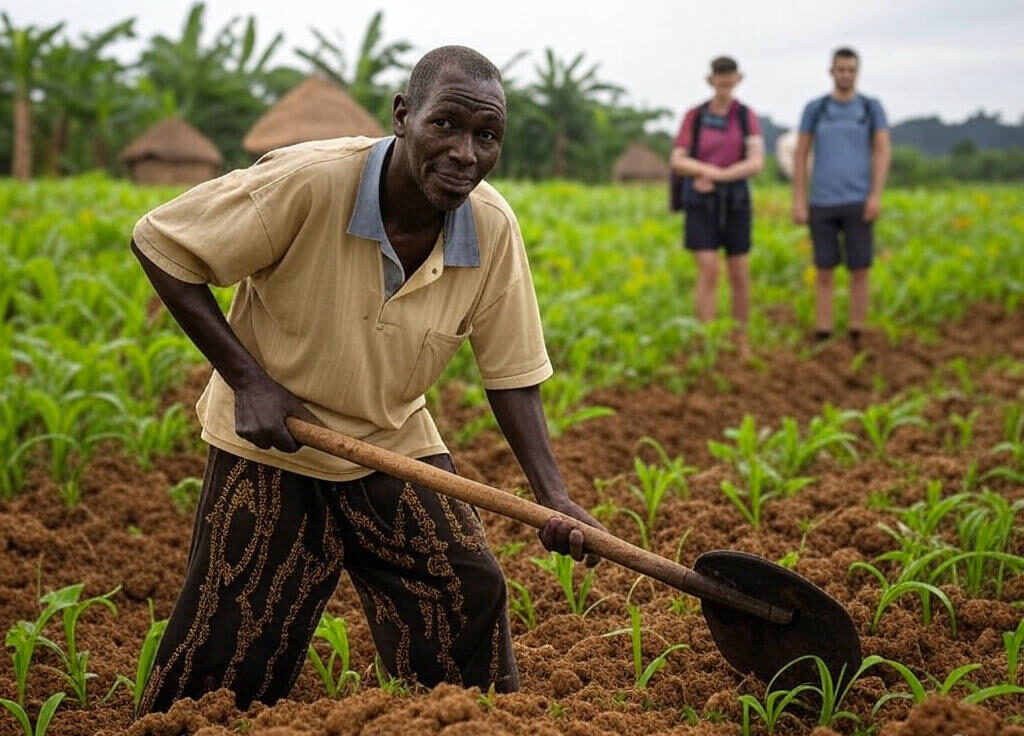
Meet our farmers from Kapchorwa. This region in eastern Uganda is known for its stunning scenery (including the Sipi Falls) and its high-quality Arabica coffee production. It’s a prime location for agri-tourism, where visitors can experience coffee farming firsthand.